
- The aircraft identity and intended operation.
- The installed equipment and dated records already reviewed.
- Unresolved functions, approvals and discrepancies.
- The proposed inspection scope and excluded work.
- Reporting, additional-work approval and delivery arrangements.
BEECHJET / BUYER GUIDANCE
Beechjet 400A Avionics: What to Verify Beyond an Equipment List
A Beechjet 400A’s avionics can shape where and how you operate, what your crew needs to learn, and your budget after closing. Two aircraft can have very different cockpits. The question is whether the installed system, documented approvals and support arrangements fit your planned operation.
WHAT TO KNOW FIRST
A modern-looking panel is not proof of a particular capability. Identify the equipment installed on the individual aircraft, match it to its records, and have your pilots and an independent avionics specialist check the functions and approvals needed for your mission.
Start with the broader Beechjet 400A buying guide, then review each candidate by serial number. Ask for an equipment list, photographs and maintenance records. Top Gun’s aircraft buying process moves from the mission to evaluation, inspection and closing.
Start with the aircraft’s actual configuration
Display arrangements, flight management systems, sensors and modifications vary between individual aircraft. An equipment list may name a suite while leaving out the software versions, interfaces or approvals that determine which functions are available. A photograph is a starting point, not proof that every feature works or is approved for your intended use.
Identify major components by manufacturer and model, then match the list to the aircraft and its records. Ask when components were installed or repaired, what discrepancies remain open, and whether equipment has been removed, replaced or deactivated. Compare the cockpit with your crew’s experience and training resources.
A newer display or GPS does not automatically provide every navigation capability. Certification, software, sensors, interfaces, limitations and operator authorizations can all matter. Have your flight department verify the complete configuration against your planned routes, airports and operating rules.
Five avionics areas to review
Use this as a buyer’s planning worksheet, not an aircraft inspection procedure. Agree on technical checks with qualified professionals who have the applicable data and the actual aircraft in front of them.
01
Displays and flight controls
Inspect the displays for readability, brightness, color consistency and reported intermittent faults. Review the autopilot, flight directors and associated controls as a system rather than isolated boxes. Ask the crew how the equipment performs in normal use and review recurring maintenance write-ups.
Ask a qualified shop about repair and replacement support. If the aircraft has a retrofit, identify what changed and which legacy components remain. A modernized display may still rely on older sensors or other equipment.
02
Navigation and flight management
Document the flight management system, GPS sensors and navigation radios, including software and interfaces. Ask the operator to demonstrate how flight plans are entered and amended. Determine whether the system supports your required procedures, then confirm applicable aircraft and operator approvals and limitations.
GPS alone does not authorize every satellite-based approach. Review the aircraft flight manual and supplements with your flight department. The FAA’s navigation guidance explains that eligibility for procedures depends on the approved installation and applicable limitations.
03
Surveillance and traffic
Check the transponders, ADS-B Out installation and, if fitted, traffic equipment. Ask for equipment models, installation documents, position source and performance information. The FAA’s ADS-B guidance explains where ADS-B Out is required and how to request a performance report.
Distinguish ADS-B Out from ADS-B In and traffic collision avoidance equipment. They serve different purposes, and the presence of one does not establish the capabilities of another. Confirm the rules for each jurisdiction and operation you intend to fly. Questions about a specific aircraft? Call Top Gun Aircraft at (954) 270-3333 to discuss your acquisition plans.
04
Weather, terrain and alerts
Review the installed weather radar, terrain equipment and other warning systems. Ask the crew to explain what each system displays and what it does not. Check recorded faults and database versions where applicable. A panel label is not a substitute for a functional review.
If your operation requires particular warning equipment, ask your operator and maintenance provider to verify the applicable rules and configuration. Requirements depend on the aircraft, operation and jurisdiction.
05
Communications and connectivity
Inventory communication radios, audio panels and any cabin connectivity or satellite equipment. For international flying, confirm the equipment and frequencies required on intended routes. Include practical issues such as audio clarity and crew interfaces in an appropriate inspection.
Ask the provider about coverage, hardware support, activation, transferability and monthly charges. A system installed by a prior owner may require a new account, equipment work or a different plan before it meets your needs.
Verify records, support and upgrade costs
Ask for the equipment list, maintenance entries, installation records, applicable flight manual supplements and approval documents. For alterations installed under a supplemental type certificate, request the relevant documentation and confirm it applies to this aircraft and configuration. A listing of an approval alone does not establish that work was properly installed and recorded.
Use the Beechjet 400A records checklist to organize the review. Have a qualified independent inspection team compare the physical installation with the records and investigate missing documents, deferred discrepancies and repeated faults.
Budget for navigation, chart, terrain and other databases as applicable. Ask providers about coverage, update cycles, account transfer, activation fees and current status. Review maintenance program eligibility, coverage, exclusions and balances. Do not assume a seller’s subscription or service agreement transfers automatically.
Give the shop a scope it can answer
If an upgrade is on your wish list, request a written proposal for the specific aircraft. It should identify equipment, interfaces, approvals, downtime, training and subscriptions, along with assumptions and exclusions. Compare that proposal with an aircraft already equipped for your mission, recognizing that both need inspection and records review.
A useful handoff contains:
Agree on ground or flight checks, written findings, exclusions and who may authorize additional work. Your purchase agreement and advisers should address acceptance, repairs and transaction terms. An inspection finding alone does not establish who must pay under a contract.
Talk through your candidate
Questions about a specific aircraft? Call Top Gun Aircraft at (954) 270-3333 to discuss how its avionics fit your acquisition plans. Start with the aircraft you are considering and the questions that remain open.
View current aircraft Talk through your candidate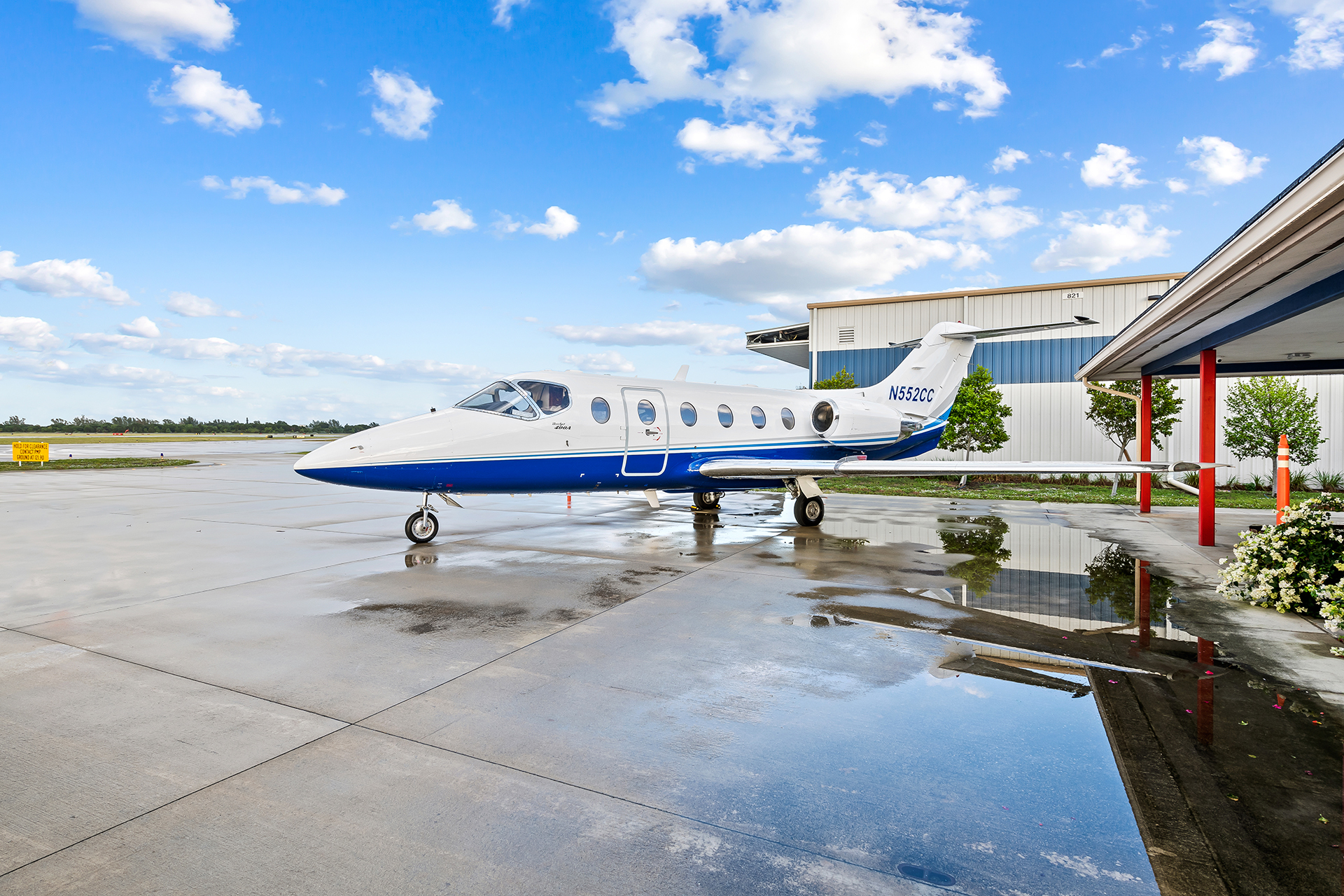
Beechjet 400A avionics questions
Does every Beechjet 400A have the same avionics?
No. Equipment and displays differ by aircraft and may have changed through repairs or upgrades. Verify the installed configuration and records for the individual serial number.
Does ADS-B Out mean the airplane is ready for every route?
No. ADS-B Out addresses surveillance requirements, not every navigation, communication or operational requirement. Confirm the complete installation and all applicable rules for the planned route.
Should I plan an upgrade before buying?
First compare existing equipment with your mission and obtain a shop’s aircraft-specific proposal. Purchase terms, installation availability, documentation, training and ongoing support all matter. You can also review available aircraft and compare installed equipment.
Photo: Beechjet 400A from Top Gun Aircraft’s sold archive. The aircraft shown is not presented as current inventory. See the sold-aircraft archive for historical listings.